March 15 marks the World Consumer Rights Day, a time to spotlight the commitment of Customs authorities to consumer protection. Upholding its mission of public service, Customs remains steadfast in safeguarding the quality and safety of imported consumer goods to effectively protect consumer health and safety. Within this broader effort, imported tableware has emerged as a popular category in recent years. As food-contact products, their safety standards are essential. In 2025, multiple shipments of imported tableware were flagged for excessive chemical migration and non-compliant labeling. What should you look for when buying tableware? Here’s advice from Zhongshan Customs on choosing safe, quality tableware.
I. Check Their ‘Compliance’ - Mandatory Standards for Imported Tableware
All imported tableware sold in China, classified as food-contact products, must comply with the country’s mandatory national safety standards (GB standards). To ensure compliance, Customs inspects and supervises these products accordingly.
1. General Requirements
GB 4806.1-2016
National Food Safety Standard - General Safety Requirements on Food Contact Materials and Articles
2. Material-Specific Standards
Different materials (such as ceramics, glass, plastics, and metals) have their own GB 4806 series standards. For example, GB 4806.4-2016 covers ceramics intended for food contact.
3. Additive Controls
GB 9685-2016
Regulates the use of additives in food contact materials and articles.
4. Required Documentation
Importers are also required to provide supporting documents, including a Declaration of Conformity for Imported Food-Contact Products.
II. What to Know About Tableware Materials - Risks and Tips for Six Common Types
Different materials come with different risks, so knowing what to look for makes all the difference.
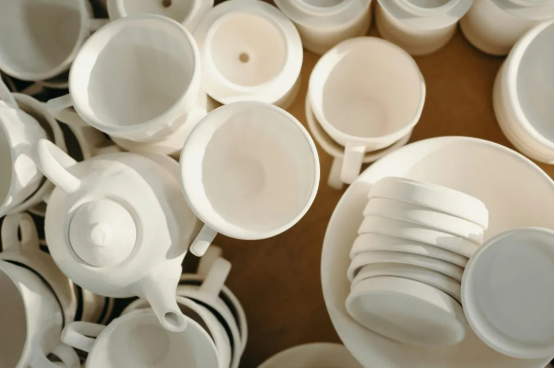
1. Ceramic Tableware
Hard, heat-resistant, and corrosion-resistant, ceramic tableware is both attractive and easy to clean, making it a solid choice for everyday use. Qualified products must comply with GB 4806.4-2016. But be aware that tableware decorated with overglaze designs can release heavy metals such as lead and cadmium into food substances over time, posing health risks with long-term exposure. To play it safe, choose pieces with plain-colored interiors or in-glaze or underglaze decoration, as they have a smooth surface with no raised patterns. The bolder the decoration, the greater the risk of heavy metal leaching. This is especially true for large hand-painted flowers on the inside.
2. Plastic Tableware
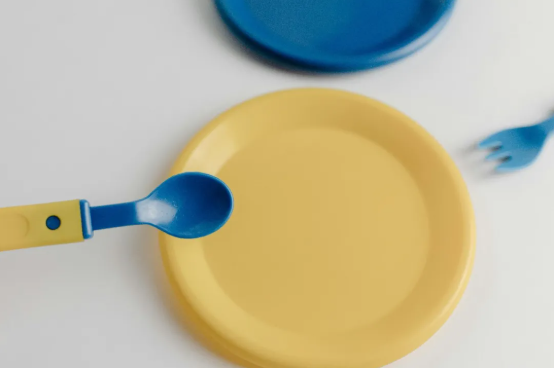
Plastic tableware is found in most kitchens, but different types of plastic have different properties.Qualified products must be made from virgin food-grade materials, comply with GB 4806.7-2023, and be odor-free with no harmful chemical migration. A quick note: the numbers 1 to 7 inside the recycling triangle identify the type of plastic, and they are not safety ratings. In addition, plastics tend to break down faster under high heat or when exposed to oily or acidic foods, so it's best to avoid storing hot oil, vinegar, fruit juice, or soup in plastic containers for long periods.
3. Bamboo & Wooden Tableware
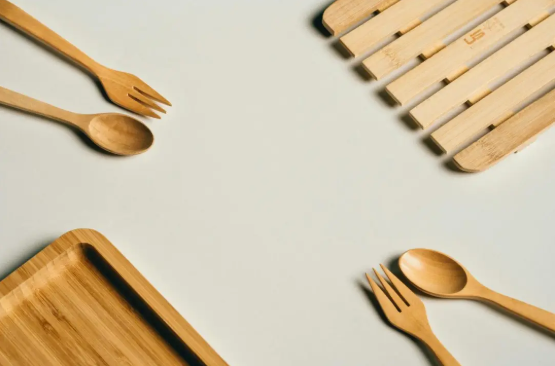
Bamboo and wooden tableware are natural, eco-friendly, and smooth to the touch, staying cool when holding hot food, making them ideal for everyday use, especially with children. Qualified products must comply with GB 4806.12-2022. However, bamboo and wood absorb moisture easily and are prone to mold. They are not designed for high-temperature cooking or prolonged soaking, and should never go in the microwave. To keep them in good shape, store in a dry, well-ventilated area. If you spot mold, cracks, warping, off smells, or peeling coating, it's time to throw them out and replace with new ones.
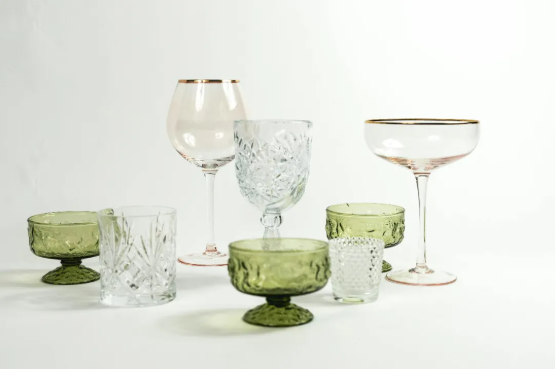
4. Glass Tableware
Glass tableware is clear, elegant, chemically stable, and heat-resistant. It doesn't retain odors, making it a safe choice for everyday use. Qualified products must comply with GB 4806.5-2016. A word of caution: some crystal glassware may contain lead oxide to enhance brilliance and shine, so avoid storing acidic beverages in them for long periods. Lead-free glassware is a safer bet for everyday use. To prevent cracking, avoid sudden temperature changes, and replace any pieces that become chipped or scratchedfor greater peace of mind.
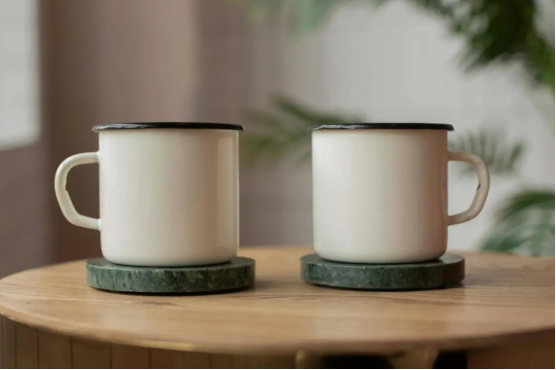
5. Enamel Tableware
Enamel tableware is heat-resistant, corrosion-resistant, and easy to clean. Better yet, it won't absorb smells.With its smooth, dense surface and good chemical stability, it's a reliable choice for daily use. Qualified products must comply with GB 4806.3-2016. For added safety, look for pieces with plain-colored interiors and no chips or exposed metal. Made from a metal base coated with enamel, these items should never go in the microwave and should avoid sudden temperature changes. When shopping, check that the surface is smooth and evenly coated. Make sure it is free from cracks, chips, fish-scaling, peeling, blisters, pinholes, nicks,boiling marks, or exposed metal. If the enamel ever chips or peels, it's time to retire it from food contact and repurpose it for general storage.
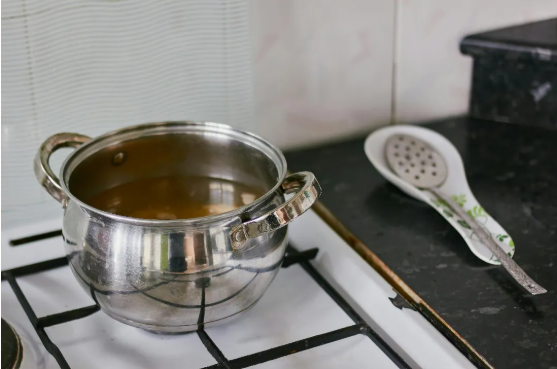
6. Metal Tableware
Metal tableware is durable and virtually unbreakable. Plus, it heats up quickly, making it a great fit for everyday use, outdoor dining, and restaurant settings. It can be used on the stove and in the oven, but never put it in the microwave, as doing so can cause sparks and damage the appliance.The current national standard for food-contact metallic materials isGB 4806.9-2023, which sets stricter, more comprehensive, and more detailed requirements than the 2016 version, covering heavy metal migration, alloy composition, and coating safety. When buying, check the label and look for products that comply with the updated national standard. Just go with food-grade stainless steel (such as304or316L), and avoid using metal containers for long-term storage of soups, pickled vegetables, or other foods high in electrolytes.
III. What to Check Before You Buy - Simple Tips for Spotting Quality Tableware
1. Check the Label - Look for OfficialLabels and Markingsfor Greater Peace of Mind
First, check the label, instructions, and any certificates of conformity on the packaging. Look for the product name, material, and a declaration of compliancewith relevant regulations and standards. Furthermore, check for the name, address, and contact details of the manufacturer or distributor, along with the production date and shelf life (if applicable). Food-contact tableware must be clearly marked with the phrase "for food contact" or something similar, often with a spoon and fork symbol. This information helps ensure the product is traceable, compliant, and safe to use.
2. Know Before You Use - Understand the Dos and Don’ts for Safer Use
Carefully check the product’s service life, intended use, usage restrictions, warning symbols, and any safety instructions in Chinese. Always follow the instructions. Check things like: Is it microwave-safe? Can it go on an open flame? Is it okay for long-term storage of acidic or oily foods? Can it be refrigerated or used for high-temperature cooking? Checking these details can help you avoid damaging the material or causing harmful substances to leach into the food. Therefore, your meals stay safer.
3. Give It a Sniff - Spot Any Odd Smells to Avoid Low-Quality Products
After opening the package, give it a close sniff for any strong smell of plastic, ink, chemicals, or other odd odors. Quality food-contact tableware shouldn't have any irritating smell. If you notice a strong odor, it probably means there are residual solvents, low-quality materials, or excessive harmful substances. In that case, stop using it, or don't buy it in the first place.
4. Give It a Closer Look - Reject Anything with Flaws
Examine the tableware carefully. Look for tableware with a proper shape, even color, solid structure, and a smooth finish.Look closely for defects that could affect safety or use, such aschips, cracks, warping, peeling paint, discoloration, burrs, bubbles, pinholes, chipped enamel, or scratches. Tableware with visible flaws not only traps dirt easily but may also release harmful substances during use, which makes it a safety risk.
One final tip: no matter where you buy, always keep your receipt, invoice, or a screenshot of your online order. If you spot any quality issues, such as discoloration, strange smells, or damage, you'll have the proof you need to file a complaint by calling 12315 and protect your rights.
Hot News