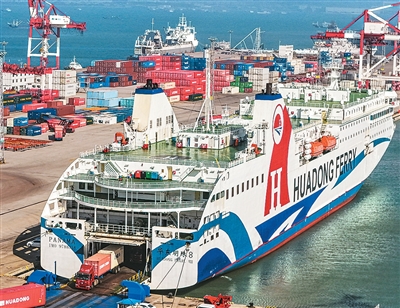
A foreign-owned passenger and cargo roll-on roll-off ship loads and unloads cargo at Shidao Xingang port in Rongcheng city, east China's Shandong Province, before the arrival of the "Double 11" shopping festival. (Photo/Li Xinjun)
During the just-concluded "Double 11" shopping festival, Chinese consumers once again enjoyed the convenience of buying products from around the world, while many places overseas were working hard behind the scenes to make this possible.
"Georgia has a domestic market of just over 3 million people, and we have never experienced such enormous demand during a promotional event in our global expansion," said Yang Wenhan, vice president of sales and e-commerce for the Eastern Hemisphere at Borjomi, a mineral water brand in Georgia.
This year marked the brand's first participation in the shopping festival. In August, it launched its flagship store on Tmall, Alibaba's online marketplace.
"In the first month after opening, many products were already running low, and by September, two items had completely sold out," said Yang. Faced with this situation, the company had to adopt extraordinary measures to prepare for "Double 11." What stood out to him were two key actions: working overtime and switching to air freight.
To cope with the surge in orders, the local factory temporarily hired more than 50 additional workers. The company chartered three planes to transport about 300,000 bottles of mineral water from Georgia to Chengdu in southwest China's Sichuan Province.
"For the Chinese market, we chose to pay significantly higher air freight costs. This is something we've never done before. But then again, no other market has ever generated such huge demand," Yang said.
The overwhelming demand shaped Borjomi's first impression of the Chinese market. In hindsight, Yang believes that even their rapid restocking efforts were still too conservative.
The company plans to introduce more products to the Chinese market, such as lemon tea, energy drinks, and flavored beverages, and aims to reach nearly 1 billion yuan (about $141 million) in sales in China by 2030.
In Aydin, known as the "land of figs" in Türkiye, farmers start working early. Figs here are harvested only once a year. To ensure the organic dried figs reach China on time for the shopping festival, local brand "Happy Village" began preparing and accelerating production as early as May.
A few years ago, "Happy Village" first entered the Chinese market through trade, with some products sold at supermarkets. This year, the brand is making a stronger push, opening flagship stores on platforms like Tmall at the start of the year to sell directly to Chinese consumers.
"From day one, the momentum was incredible," said Gu Jiali, a brand manager at "Happy Village." Sales have risen every day since the store opened, even during the Chinese New Year.
Because the products are shipped from overseas, with long production and transportation cycles, the store sometimes ran out of stock. Learning from past experience, the operations team submitted their orders to headquarters as early as May.
"The 'Double 11' is an event we must participate in. It's a chance for more consumers to discover the brand and try our products," Gu said.
For the "Double 11" shopping festival, Bulgarian rose essence brand Lema prepared 300,000 kilograms of raw roses. In Kazanlak, Bulgaria's "Rose Capital," the Lema family oversees 56 hectares of rose gardens.
When the flowers were in full bloom in May and June, more than 500 workers picked the flowers from dawn until noon. The roses were then processed into essential oil before being packaged and shipped to China.
Jin Ling, head of Lema's store on Tmall, said this year's "Double 11" sales were more than five times higher than the same period last year.
Lema opened its store on a Chinese e-commerce platform last July, allowing Bulgarian rose products to reach Chinese bonded warehouses directly. Over more than a year, the brand has gained a better understanding of the Chinese market. For this year's "Double 11," the store stocked four times its previous inventory.
"The Chinese market is enormous. Since opening, we've realized we've only reached a fraction of potential consumers. We hope more people can discover our products," Jin said.
(Web editor: Hongyu, Liang Jun)
Related News
Ningbo Positions Itself as Prime Gateway for Central and Eastern European Agri-Products Entering China
2025-11-21
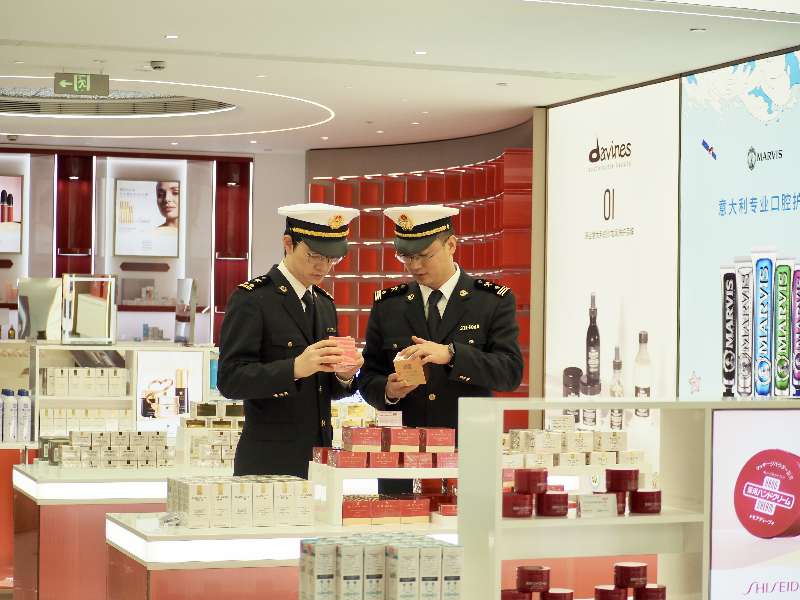
A Joint Declaration on cooperation was recently inked between the China-CEEC Customs Information Center and the Association for the Promotion of Agricultural Cooperation between China and the Central and Eastern European Countries (APACCCEEC), to bolster collaborative efforts in facilitating the import of distinctive and high-quality agricultural and food products from Central and Eastern European countries (CEECs).
Bulgarian Roses Make a Scent-sation in Ningbo as Businesses Jet In for Collaboration
2025-11-13
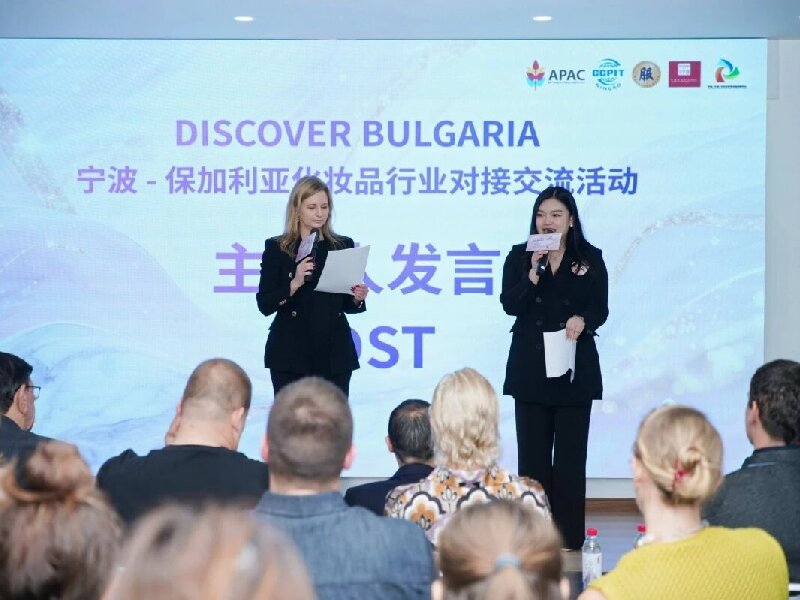
On November 8, Bulgarian business representative Mihaela Aprilova jetted into Ningbo for the“Discover Bulgaria Ningbo - Bulgaria Cosmetics Industry Matchmaking and Exchange"
Deputy Commissioner of the General Administration of Customs of China Wu Haiping in Talks with Swiss, Bulgarian Authorities
2025-10-22
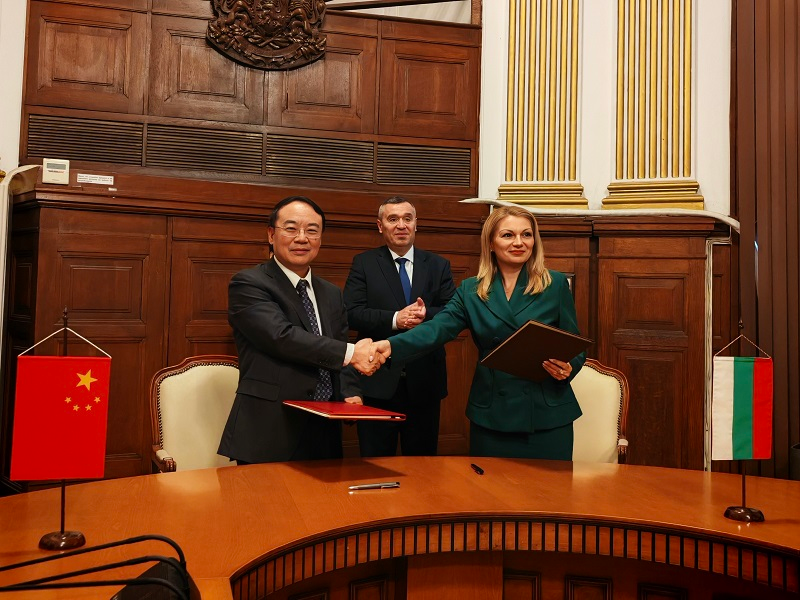
From October 13 to 18, Wu Haiping, Deputy Commissioner of the General Administration of Customs of China, led a delegation on an official visit to Switzerland and Bulgaria, engaging with counterpart authorities and relevant international organizations.
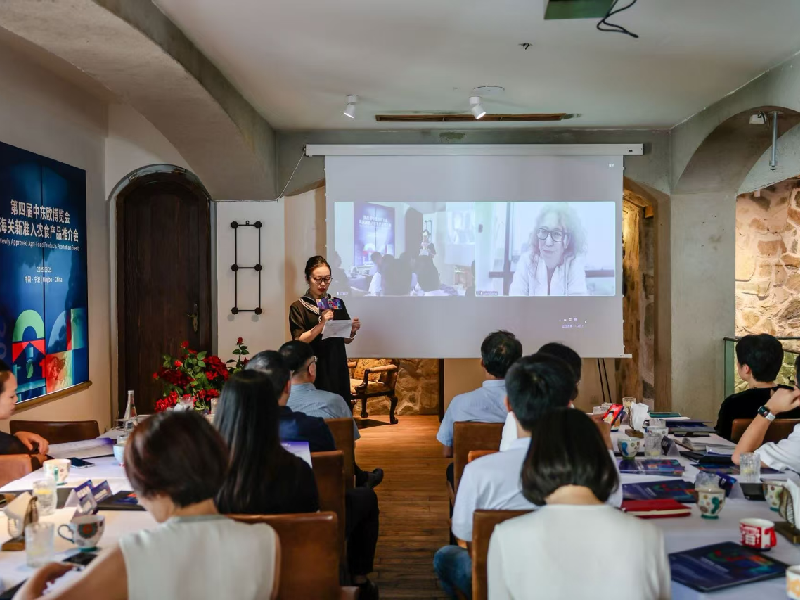
Quality Agri-Foods from Central and Eastern European Countries (CEECs) Gain Easier Access to China, Following the Fourth China-CEEC Expo Promotion Event for Newly-admitted Agri-Foods
2025-09-28
On September 25, the Promotion Event for Newly Admitted Agri-Food Products of the Fourth China-CEEC Expo was successfully held at the China-CEEC Commodities Exchange and Experience Center.
Hot News