URUMQI, Dec. 5 (Xinhua) -- A China-Europe freight train loaded with garments, toys, electromechanical products and auto parts departed earlier this week from Horgos Railway Port in northwest China's Xinjiang Uygur Autonomous Region for Malaszewicze, Poland, marking the 9,000th such train to pass through the port this year.
Horgos Customs announced on Friday that the port has maintained robust growth in freight train operations, averaging over 27 trains per day since the beginning of 2025.
The total cargo throughput for the year has surpassed 12 million tonnes. These trains are increasingly serving as a vital transportation link for goods manufactured in China's industrial heartlands, including the Yangtze River Delta and Pearl River Delta regions, destined for markets in Central Asia and Europe, the customs added.
The China-Europe (Central Asia) rail service offers distinct advantages, including faster transit than sea freight, lower costs than air transport and stable scheduling, earning strong recognition from clients, said Li Qing, business manager of Xinjiang Anrun International Freight Forwarding Co., Ltd.
Port operations have seen a significant efficiency boost, driven by smart port modernization and streamlined customs protocols. Import cargo clearance has been slashed from two to three days to under 16 hours, while export processing has been reduced from six hours to just one hour.
Horgos Port now serves as a key transit point for 90 China-Europe (Central Asia) rail routes, connecting 46 cities and regions across 18 countries.
(Web editor: Zhang Kaiwei, Liang Jun)
Related News

China-Europe freight train turns inland furniture hub into global trade player
2025-11-26
According to a report on China-Europe freight trains, as of October 2025, the service had made 118,600 trips, transporting 11.7 million twenty-foot equivalent units (TEUs) of goods, reaching 232 cities in 26 European countries.

China-Europe freight train service boosts Eurasian trade with shared benefits
2025-11-25
Since its launch, the service has expanded its operational network to 232 cities in 26 European countries and over 100 cities across 11 Asian countries, completing nearly 120,000 journeys as officially announced at the second China Railway Express Cooperation Forum in Xi'an, now the capital of China's Shaanxi Province.
First container ship on China-Europe Arctic route arrives in Gdansk, Poland
2025-10-20
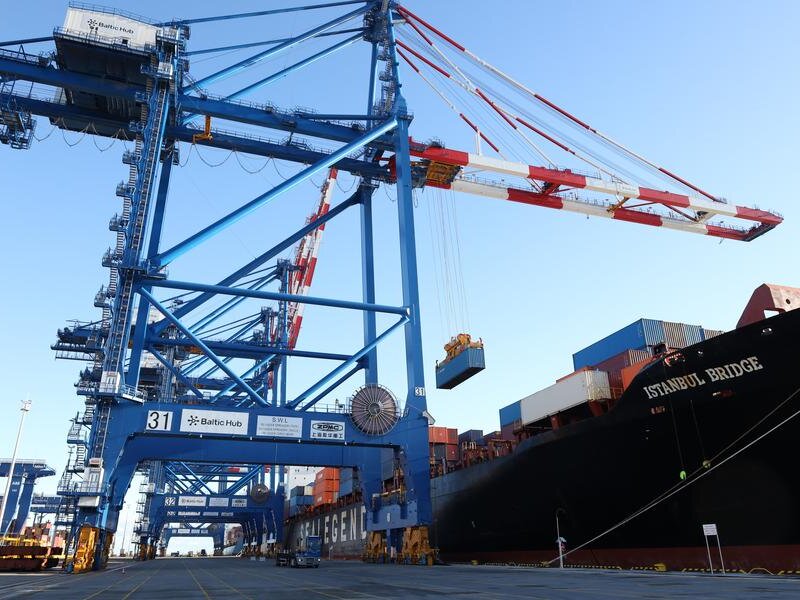
After a 26-day voyage, the first container ship operating on the China-Europe Arctic container express route, the Istanbul Bridge, arrived early Sunday morning at the Port of Gdansk in northern Poland.
Rail reliability delivers steady success-China-Europe freight train network grows as competitive link to overseas markets
2025-10-14
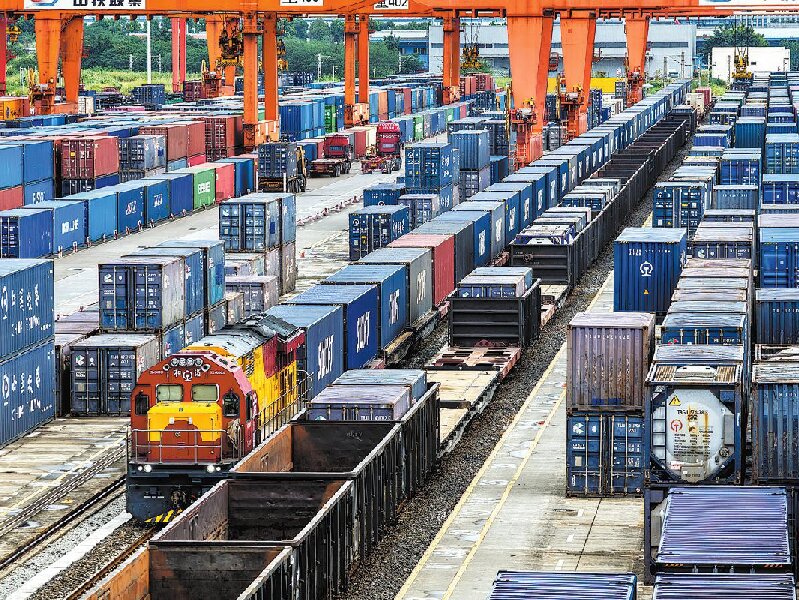
A total of 128 Chinese cities run freight trains to 229 cities in 26 European countries, and over 100 cities in 11 Asian countries.

New Air Freight Link Launched Between Nanjing and Warsaw
2025-10-11
A Boeing 747 freighter (Flight Y87431) carrying 103 tons of cross-border e-commerce products, medical supplies, and bulk commodities such as display control panels, power components, and microcatheters departed from Nanjing Lukou International Airport in the early hours on September 28, inaugurating a new international cargo route connecting Nanjing and Warsaw.

Ningbo Manufacturers Expand Global Reach with Strong Trade Growth in Central and Eastern European countries (CEECs)
2025-09-19
From January to August, the total import and export value between Ningbo and CEECs reached 41.06 billion yuan, a year-on-year increase of 9.3 percent. Exports amounted to 34.03 billion yuan, while imports totaled 7.03 billion yuan.

China-Europe Railway Express Paves "Fast Track" for Economic and Trade Exchanges
2025-09-18
As a crucial gateway for China-Europe freight trains to and from Europe, Poland occupies a key position in the Eurasian logistics network.
China-Europe Railway Express: Two-Way Connectivity Fuels Regional Economic Growth
2025-09-17
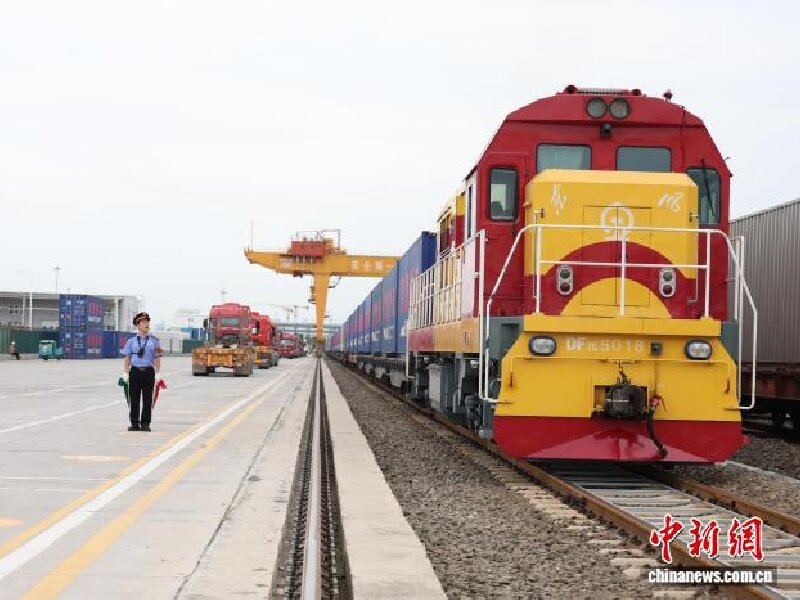
From January to August 2025, a total of 2,002 Shandong China-Europe freight train services were completed, with return journeys accounting for 46%, demonstrating smooth two-way connectivity.
Hot News